Buying a baler is one of the most significant capital equipment decisions a recycling operation, distribution center, or manufacturing facility will make. Get it right and you'll run a tighter, more profitable line for the next decade or more. Get it wrong - overpaying for features you don't need, or underpaying for a machine that can't handle your volume - and you'll feel it in your operating costs every single day.
One of the first questions every buyer has to answer is simple: new, used, or refurbished? Each path has a real place in the market. None of them is automatically the right answer. What matters is matching the machine's condition, warranty, and upfront cost to your operation's volume, budget, and risk tolerance. This guide walks through exactly how to make that call.
What “Refurbished” Actually Means
And why it’s not the same as “used”
Before we get into cost comparisons, let's clear up a term that gets thrown around loosely in this industry: refurbished.
A used baler is a machine that has been operated, may or may not have been serviced, and is being sold largely as-is. You're buying its history along with the machine itself - bale counts, maintenance records (if they exist), and any deferred repairs the previous owner didn't get around to.
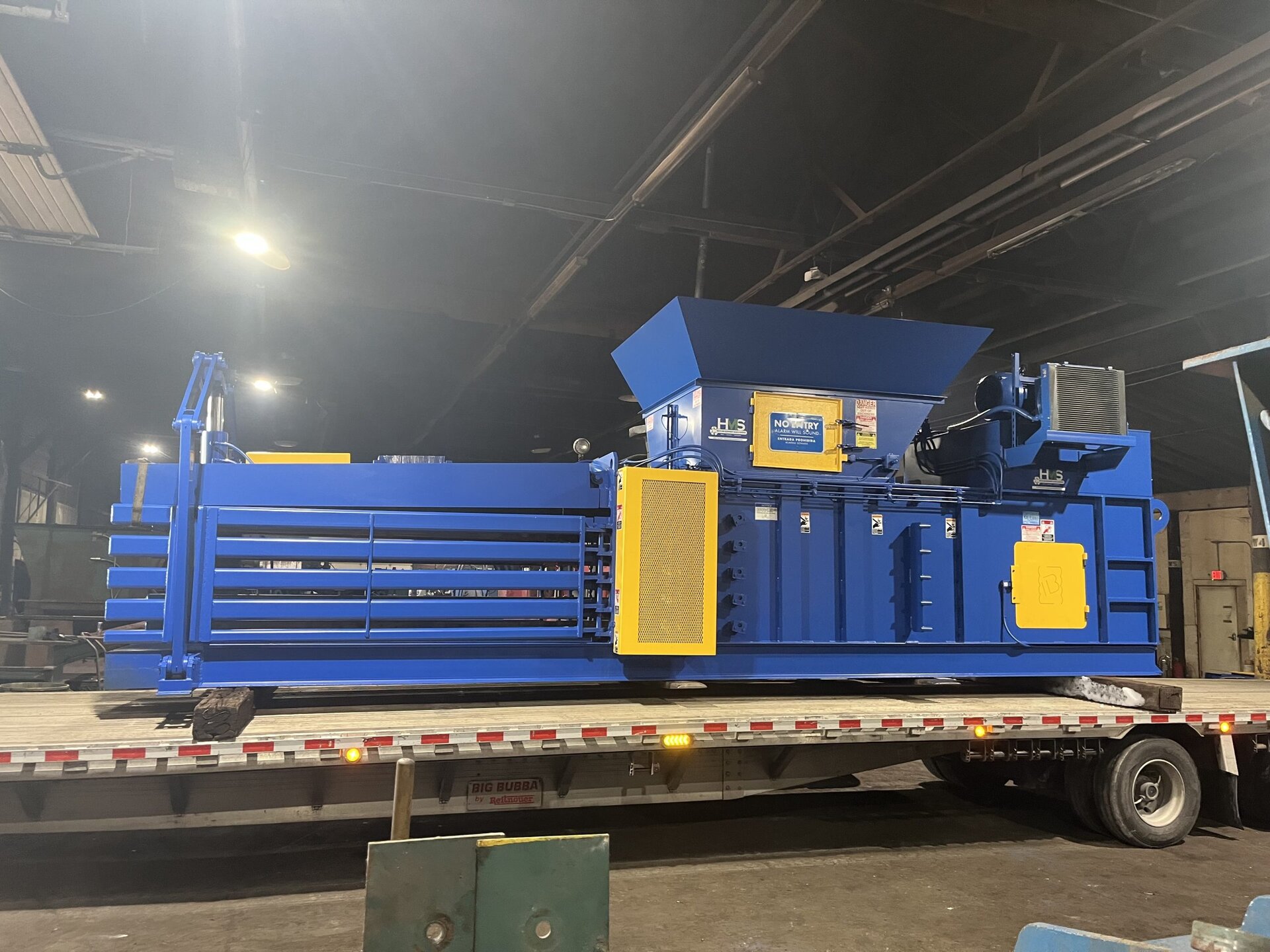
A refurbished baler - sometimes called reconditioned - is a used machine that has been put through a structured reconditioning process before resale. At HMS, that means:
- Full mechanical inspection and teardown assessment
- Replacement of hydraulic seals, cylinders, and hoses showing wear
- Liners, knives, wear components, and frame inspection for cracks or structural fatigue
- Wire tier rebuild or replacement
- PLC replacement and custom program
- Electrical system check and repair
- Clean and paint color of customer choice
- Functional testing before the machine ships
The result is a machine with a used price tag and performance much closer to new. When HMS lists a machine as refurbished or reconditioned, that process happened in-house by our service team. When you buy used “as-is,” you're taking on the inspection and repair work yourself.
A refurbished machine from a dealer with an in-house service department is a fundamentally different purchase from one that's been “cleaned up” for resale by a broker. Always ask: what was replaced? What does the warranty cover? Who did the work?
The Real Cost Difference
Here's what you can generally expect across the three categories for a mid-size horizontal auto-tie or two-ram baler. These are illustrative ranges - actual pricing varies by manufacturer, tonnage, and configuration.
| New | Refurbished | Used (As-Is) | |
|---|---|---|---|
| Upfront cost | $120,000 - $700,000+ | $75,000 - $400,000 | $20,000 - $250,000 |
| Warranty | Full manufacturer (1-3 yrs) | Limited dealer (120 days - 1 yr) | None or very limited |
| Near-term repairs | Minimal | Low (already addressed) | Unknown - potentially significant |
| Lead time | 8-20 weeks | 8-12 weeks | Immediate or near-immediate |
| Financing | Widely available | Available through most dealers | May be harder to finance |
A $75,000 two-ram baler that needs $40,000 in hydraulic work and a full reline isn't a deal - it's a $190,000 machine you didn't know you were buying. The as-is category is where buyers get burned most often.
When New Makes Sense
- Your volume demands it. For high volume facilities, the reliability of a new machine with a full warranty is often worth the premium.
- You need a specific configuration. Custom feed openings, specific wire tier systems, particular bale dimensions - these can only be dialed in on a new build.
- You're financing over a long term. New equipment qualifies for Section 179 tax deductions and supports 5-7 year loan terms comfortably.
- Downtime is very costly. If stopping your recycling line halts production, a full manufacturer warranty has real financial value beyond the sticker price.
When Refurbished Is the Smart Move
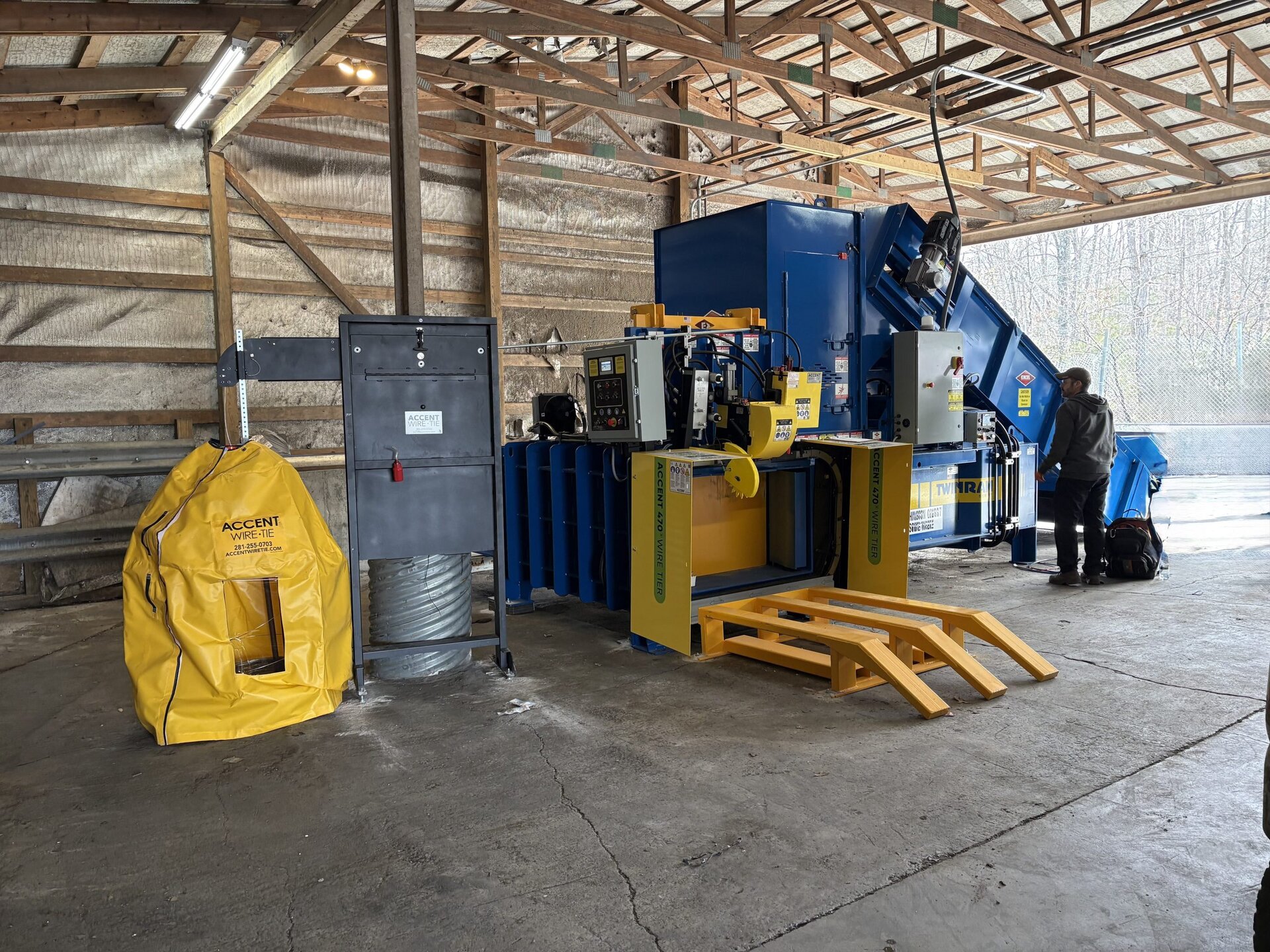
- Your budget is real but not unlimited. A $300,000 refurbished two-ram that's been relined, fully inspected, and tested may give you 15+ years of service at 40-60% of the new price.
- You need equipment faster than a new build allows. New machines often carry 10-20 week lead times. A refurbished machine from inventory can ship in 6 - 12 weeks.
- You're adding a second line or a backup machine. Many operations want a capable backup that doesn't tie up their full capital budget.
- You trust the reconditioner. Ask specifically: what was replaced, what's under warranty, and who did the work?
When Used As-Is Makes Sense
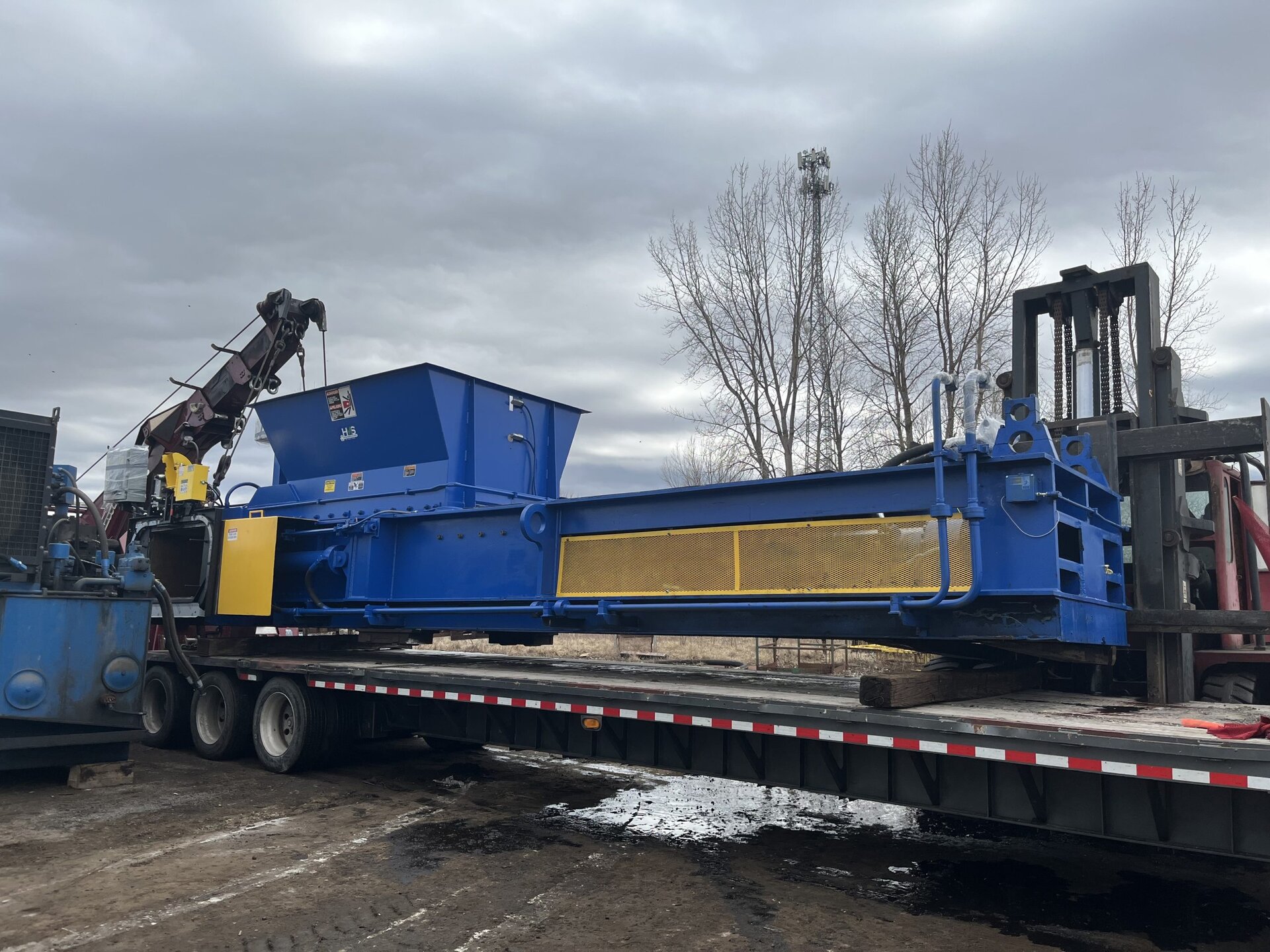
Buying as-is isn't inherently a mistake - but it requires either strong in-house mechanical capability or a trusted service partner. It's a reasonable path when:
- You have a service team or dealer relationship who can inspect before you buy and handle repairs after
- You're buying a well-documented machine from a known operation with bale count records and maintenance history
- You need a transitional machine to bridge a gap while a new machine is being built
- The price is significantly below market for a machine in known, verified condition
Used Baler Inspection Checklist
Whether you're buying as-is or evaluating a machine before reconditioning, here's what to look at before money changes hands.
Frame and structure
- Inspect the main frame for cracks - especially around the ram cavity corners and tie-down points
- Check the platen/ram face for pitting, cracks, or uneven wear
- Look at the door(s) for alignment; a sagging door often indicates frame fatigue
Hydraulic system
- Check all cylinders for external leaks, scoring, or pitting on the rod
- Inspect hoses for cracking, bulging, or abrasion
- Review hydraulic fluid - dark, milky, or contaminated fluid is a red flag
- Note system pressure readings and compare to manufacturer spec
Wire tier and tying system
- Run the tier through a full cycle and watch for skips, jams, or wire breaks
- Inspect the tier head, gripper, and twister for wear
- Check needle alignment - misalignment causes chronic tie failures
Electrical and controls
- Power the machine and review the control panel for error codes or warning lights
- Test all limit switches and safety interlocks
- Inspect wiring harnesses for chafing, heat damage, or rodent damage
Bale count and history
- Request the bale counter reading - most modern machines track this
- Ask for service records; documented PM history adds real value
- Find out if the machine has been relined before, and when
Test cycle
- Run the machine through at least 3-5 complete baling cycles if possible
- Watch for abnormal sounds: knocking in the cylinder, irregular tier timing, chattering solenoids
- Measure cycle time against manufacturer spec
If you're not able to physically inspect a machine before purchasing, a third-party inspection from a qualified technician is worth every dollar. HMS performs pre-purchase inspections for buyers evaluating machines in our region.
A Word on Financing
All three categories can be financed, but terms differ. New equipment typically qualifies for the best rates - 5 to 7 years is common. Refurbished equipment from a reputable dealer can often be financed on 3-5 year terms. As-is equipment from a private seller is harder to finance through traditional channels.
HMS works with equipment lenders and can help facilitate financing for qualified buyers on new and refurbished purchases. Ask us about current options when you request a quote.
Frequently Asked Questions
A used baler is sold as-is with no reconditioning. A refurbished or reconditioned baler has been inspected and repaired - structural components, hydraulics, PLC/control systems, wire tiers, electrical systems - before resale. Refurbished machines come with a limited dealer warranty; used as-is machines typically do not.
New industrial balers typically range from $120,000 to $700,000 or more depending on type, size, and configuration. Refurbished balers range from $60,000 to $400,000, while used as-is machines can be found for $20,000 to $250,000.
Before buying a used baler, inspect the main frame for cracks, check all hydraulic cylinders and hoses for leaks, run the wire tier through a full cycle, test the electrical controls and safety interlocks, and request the machine's bale count and service history.
A new baler makes sense when your operation runs high volume, when you need a custom configuration, when you are financing over a long term, or when downtime costs make reliability critical.
Bottom Line
Match the machine to your operation
There's no universal right answer. The right answer is the one that fits your throughput, risk tolerance, timeline, and capital budget. Start with your volume - if you're baling under 100 tons per day, a well-reconditioned machine will likely serve you for years at a fraction of new cost. If you're running a full MRF where downtime stops your line, the warranty and support of a new machine may be worth the premium.
HMS carries new, refurbished, and as-is equipment - and we're honest about what each machine is and isn't. We'd rather help you buy the right machine than sell you the wrong one.
Ready to talk through your options? Our team is here to help you find the right machine for your operation and budget.