A reline is one of the easiest pieces of maintenance to put off. The machine still runs. Bales still come out. Nothing is obviously broken. So it gets pushed to next quarter, then next year, until one day the chamber floor is taking direct impact and what could have been a routine reline has become a structural repair. Understanding why relines matter - and what it actually costs to defer them - is the difference between a machine that runs productively for decades and one that wears itself into an expensive corner.
HMS performs relines on two-ram balers, horizontal auto-tie balers, and horizontal closed-door balers - roughly 90 percent of them on-site at the customer's facility. This post covers what a reline addresses on each machine type, how to recognize when one is needed, and why timely relines protect both your bale quality and the machine itself.
What a Reline Actually Protects
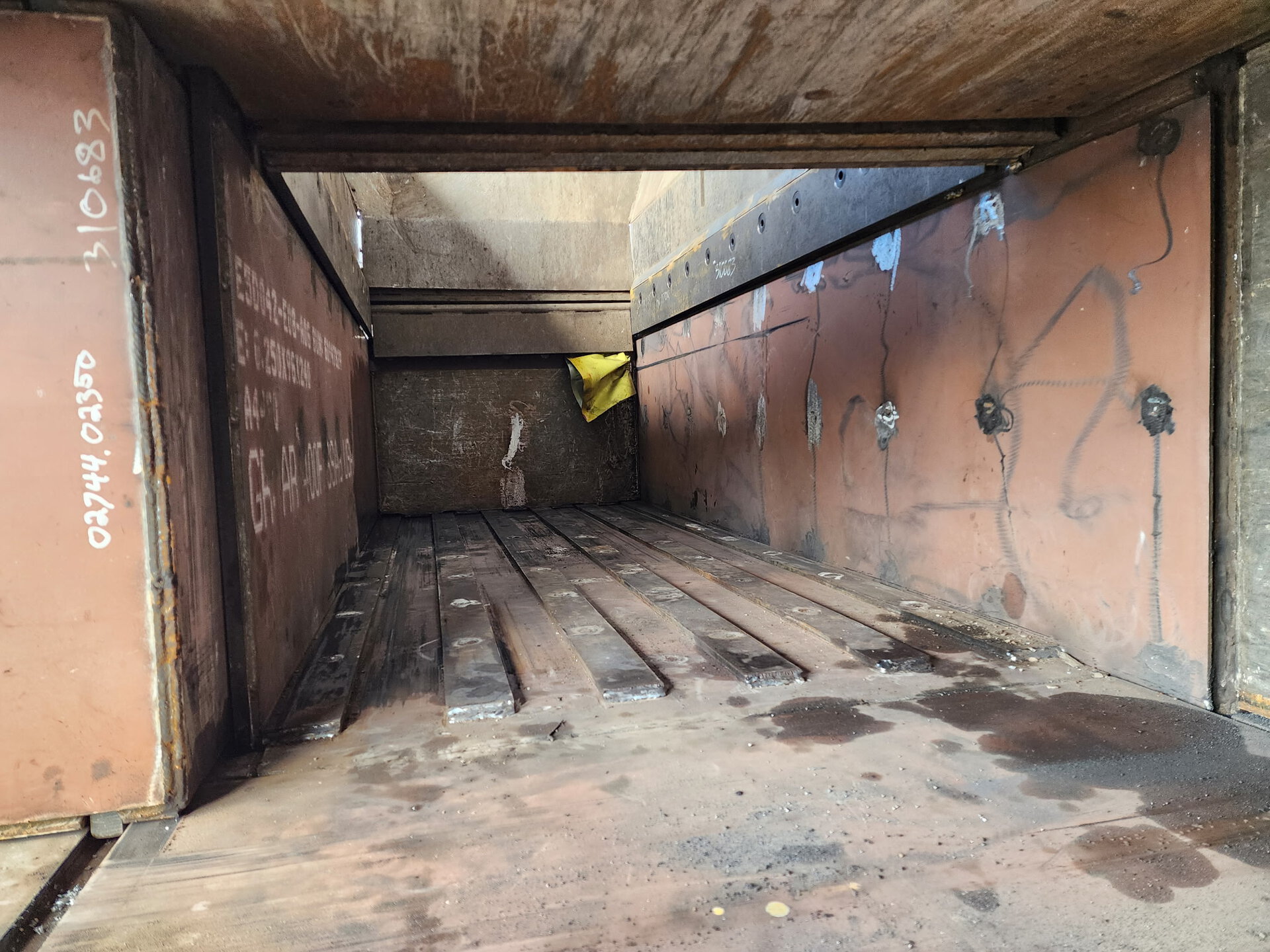
The liners inside a baler's bale chamber are sacrificial. They are there to absorb the enormous wear of compressing material thousands of times per day so the structural steel of the machine does not have to. Every cycle, material is forced against the floor, the walls, and the ram faces under massive hydraulic pressure. The liners take that punishment. That is their job.
When liners wear down and are not replaced, two things happen. First, the chamber geometry changes - the machine can no longer compress material against properly dimensioned surfaces, which means lighter bales and lower commodity value. Second, and more seriously, once the liners wear through, the structural steel of the chamber begins taking direct contact. That is when a routine reline turns into a structural repair involving subfloor and subwall damage that costs far more to fix.
A reline, done on time, prevents both outcomes. It restores the chamber to proper geometry so the machine produces dense bales again, and it protects the structural steel underneath from the damage that worn liners can no longer prevent.
Liners are sacrificial by design. They are meant to wear out and be replaced - that is the entire point of having them. Replacing worn liners on schedule is not an unexpected expense or a sign something went wrong. It is the planned maintenance that keeps the expensive part of the machine, the structure, from ever taking damage.
What a Reline Covers on Each Machine Type
The scope of a reline depends on the machine. Here is what HMS addresses on each type.
Two-ram baler
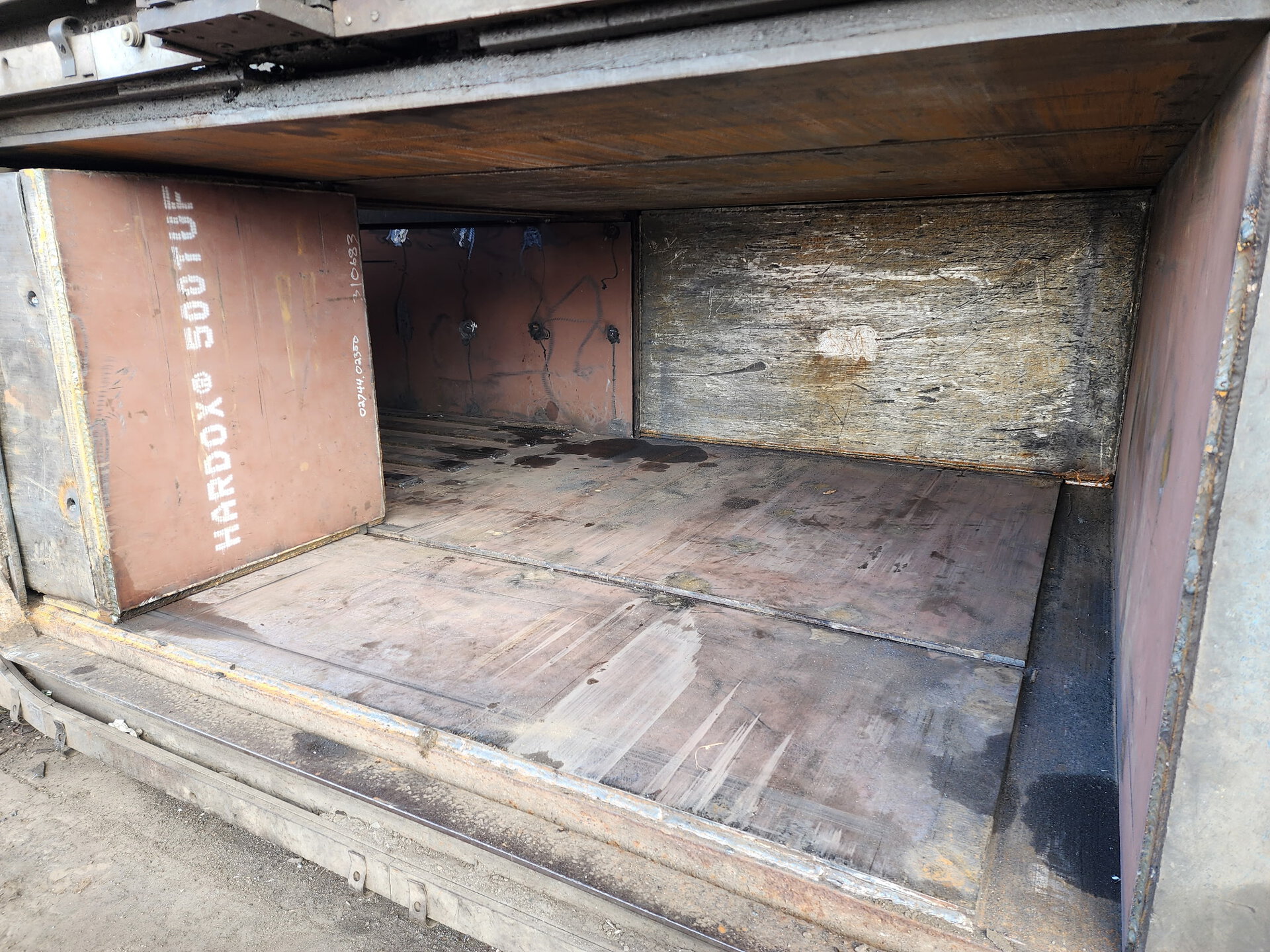
A two-ram reline is the most comprehensive. HMS replaces floor liners, wall liners, the sides and bottom of the main ram, the bottom of the eject ram, the tongue and groove strips in the gatherer chamber, and the wear liners on the bale separation door. We also replace the shear knife, ram knife, and hold down bars. Because the two-ram works material through both a gatherer chamber and a compression chamber, the wear surfaces are extensive - and a proper reline addresses all of them, not just the ones that look worst.
Horizontal auto-tie baler
On a horizontal auto-tie baler, the reline focuses on the gatherer chamber floors and walls, along with a new shear knife, new ram knife, and new hold downs. The single-ram horizontal design means fewer wear surfaces than a two-ram, but the components that do wear - particularly the knives and the chamber floor - are critical to clean shearing and proper bale formation. A horizontal auto-tie that has gone too long without a reline shows it in poor shear performance and declining bale weight.
Horizontal closed-door baler
On horizontal closed-door balers, HMS performs primarily floor and wall liner replacement along with new knives and hold down bars. While these machines are not relined as frequently as two-ram or auto-tie balers, the floor and wall wear surfaces still degrade over time - and when they do, the same consequences apply: lighter bales, shearing problems, and eventual risk to the chamber structure if the wear is left unaddressed.
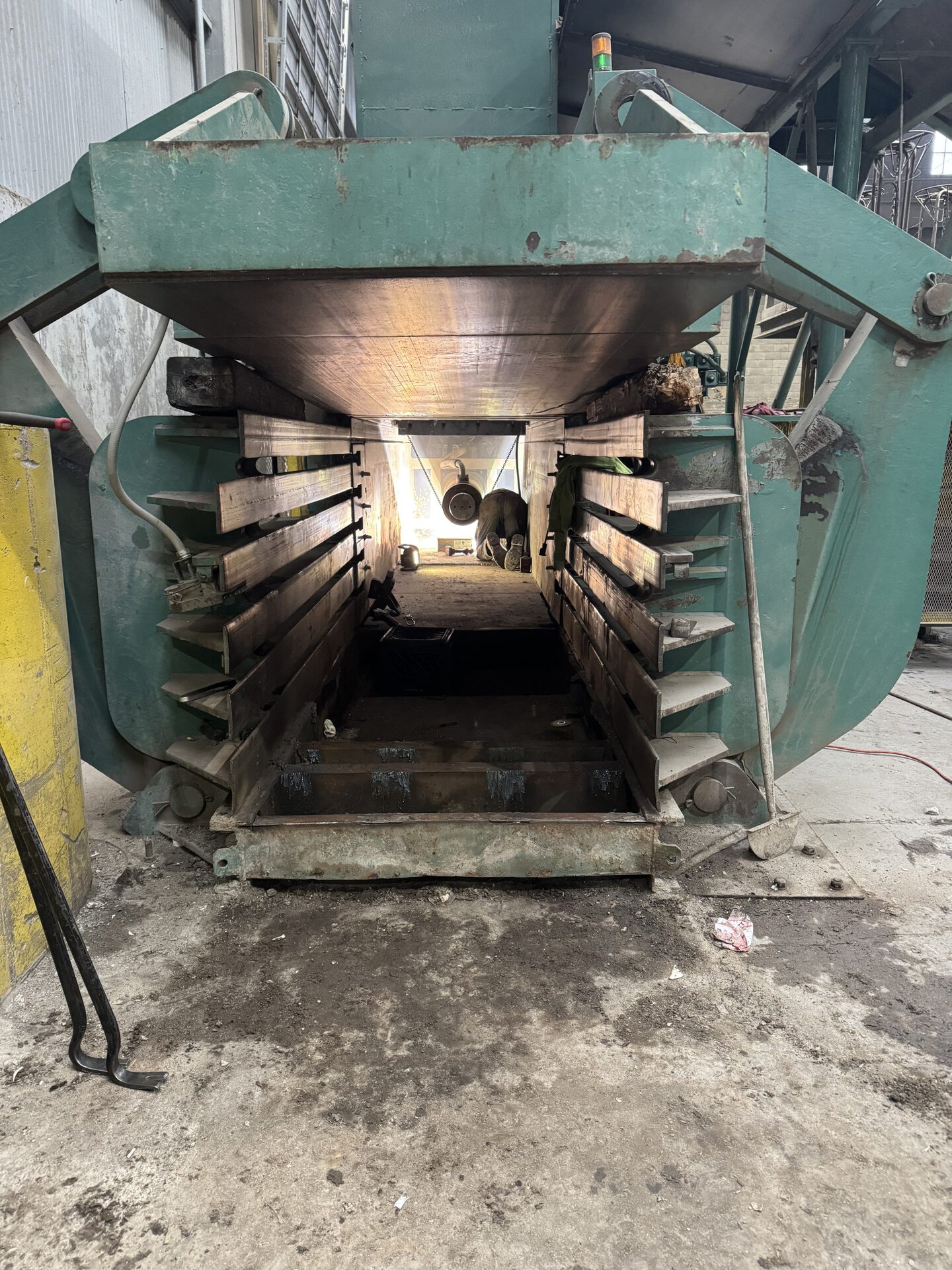
Notice the subfloor repair on the machine above. That is what happens when a reline waits too long - the wear moves past the liners and into the structural floor, turning a routine reline into a reline plus structural repair. The cost difference between those two jobs is significant, and it is entirely avoidable with timely liner replacement.
Regardless of machine type, HMS replaces all wear components during a reline rather than patching the worst spots.
The Warning Signs Every Baler Owner Should Know
Liner wear is gradual, which is exactly why it gets missed. There is no dramatic failure - just a slow decline that is easy to normalize until the numbers or the performance force the issue. Here are the two clearest signs that a reline is needed.
1. Declining bale weights
This is the single most reliable indicator. If your bales are getting lighter at the same operating pressure, the chamber geometry has changed - worn liners mean the ram can no longer compress material against properly dimensioned surfaces. Lighter bales are not just a maintenance signal. They are a direct hit to your commodity revenue, because you are shipping less material per bale and per truckload than you should be. Track your bale weights. A downward trend is the machine telling you it needs attention.
2. A large shear gap between the ram knife and shear knife
As the ram knife and shear knife wear, the gap between them grows. That gap is what allows the machine to cleanly shear material as the bale forms. When it grows too large, the machine struggles to shear - material does not cut cleanly, which causes jams, incomplete cuts, and poor bale formation. If your machine is straining to shear material it used to cut without issue, or you are seeing material hanging up at the shear point, the knives have worn and the gap has opened up. That is a reline signal.
Both of these signs get worse slowly, then quickly. A machine that is producing slightly lighter bales and shearing a little less cleanly is still running - so it is easy to keep running it. But liner and knife wear accelerates as it progresses, and the longer you wait, the closer the wear gets to the structural steel. The right time to reline is when these signs appear, not when the machine finally forces the issue.
Why Owners Defer Relines - and Why That Is a Mistake
The reasons relines get put off are understandable. The machine still runs. A reline means scheduling downtime. It is a real expense. And there is always something more urgent demanding attention. So the worn machine keeps running, producing lighter bales and shearing a little worse every week, until the decision is made for you.
Here is the problem with that logic. Every one of those reasons gets worse the longer you wait, not better:
- The lost revenue compounds. Every day the machine runs with worn liners, you are producing lighter bales and leaving commodity revenue on the table. That loss accrues every single shift - and it does not stop until the reline happens.
- The scope grows. A reline caught at the right time is a liner and knife replacement. A reline deferred too long becomes a liner replacement plus structural repair when the wear reaches the subfloor or subwall. The second job costs significantly more.
- The downtime gets worse. A planned reline is scheduled on your terms, when it fits your production calendar. A reline forced by a machine that has finally failed to shear or form bales happens on the machine's terms - usually at the worst possible time.
- The shear problems cause secondary issues. A machine struggling to shear cleanly jams more often, stresses other components, and produces inconsistent bales that can create problems with your commodity buyer. The reline you deferred to save money ends up costing you in throughput and bale quality.
A reline is not a repair you make when something breaks. It is planned maintenance that protects an expensive machine and a revenue stream. Treating it that way - scheduling it when the warning signs appear rather than when the machine forces the issue - is what separates operations that get decades of productive service from a baler from those that wear one into the ground.
HMS performs relines on-site, on your schedule
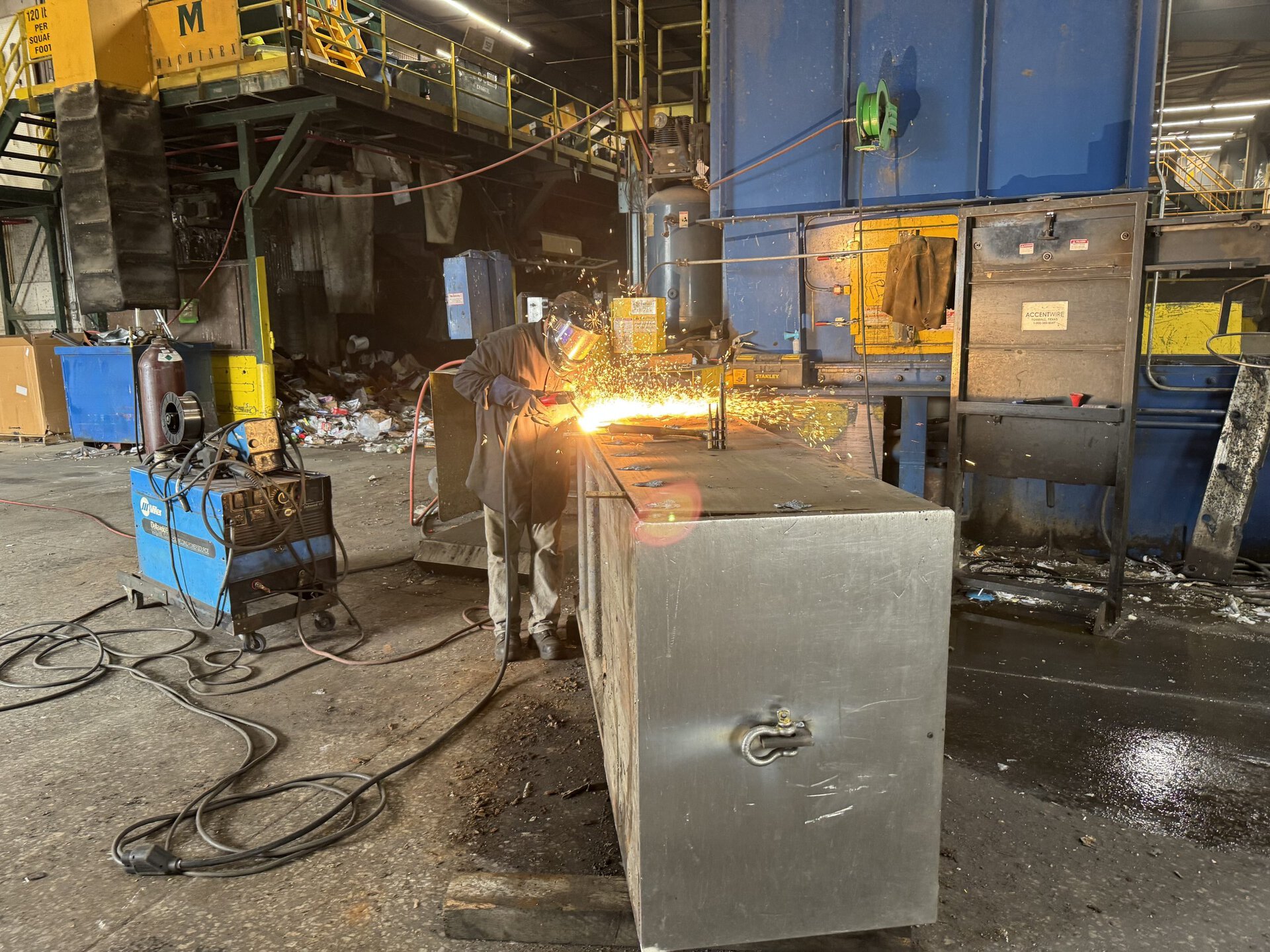
Approximately 90 percent of the relines HMS performs are done on-site at the customer's facility - which means minimal transport logistics and downtime scheduled around your production calendar. We reline two-ram balers, horizontal auto-tie balers, and horizontal closed-door balers across Indiana, Tennessee, and North America.
If you are seeing declining bale weights or shear problems, call us at (219) 733-2108 for an assessment before the wear reaches your machine's structure.
Frequently Asked Questions
On a two-ram baler, a reline replaces floor liners, wall liners, the sides and bottom of the main ram, the bottom of the eject ram, tongue and groove strips in the gatherer chamber, wear liners on the bale separation door, the shear knife, ram knife, and hold down bars. On a horizontal auto-tie baler, a reline replaces the gatherer chamber floors and walls, shear knife, ram knife, and hold downs. On a horizontal closed-door baler, it is primarily floor and wall liner replacement with new knives and hold down bars.
The two clearest warning signs are declining bale weights at the same operating pressure, and a growing shear gap between the ram knife and shear knife. A large shear gap causes the machine to struggle to cleanly shear material, leading to incomplete cuts, jams, and poor bale formation. If your bales are getting lighter or your machine is struggling to shear material it used to cut cleanly, the liners and knives have worn and a reline is needed.
Deferring a reline too long allows wear to progress from the liners into the structural steel of the machine. Once the worn liners stop protecting the chamber floor and walls, the structure begins taking direct contact and impact - leading to subfloor and subwall damage that is far more expensive to repair than a standard reline. Waiting also means lighter bales and lost commodity revenue every day the machine runs worn. A timely reline is always less expensive than the structural repair that results from deferring it.
Yes. Approximately 90 percent of the relines HMS performs are done on-site at the customer's facility. On-site relines minimize transport logistics and downtime, particularly for machines integrated into conveyor systems. HMS performs relines on two-ram balers, horizontal auto-tie balers, and horizontal closed-door balers across Indiana, Tennessee, and North America.
Bottom Line
A reline is planned maintenance, not an emergency repair
The baler owners who get the most out of their machines are the ones who treat relines as scheduled maintenance - replacing worn liners and knives when the warning signs appear, before the wear ever reaches the structure. The ones who defer relines until the machine forces the issue end up paying more, in structural repairs, lost commodity revenue, and downtime that happens on the machine's schedule instead of theirs.
Watch your bale weights. Watch your shear performance. When either starts to slip, that is the machine telling you it needs a reline - and the most cost-effective thing you can do is listen. HMS performs relines on-site across North America on two-ram, horizontal auto-tie, and horizontal closed-door balers. Call us and we will assess your machine.
Seeing declining bale weights or shear problems? Get an assessment before the wear reaches your machine's structure.