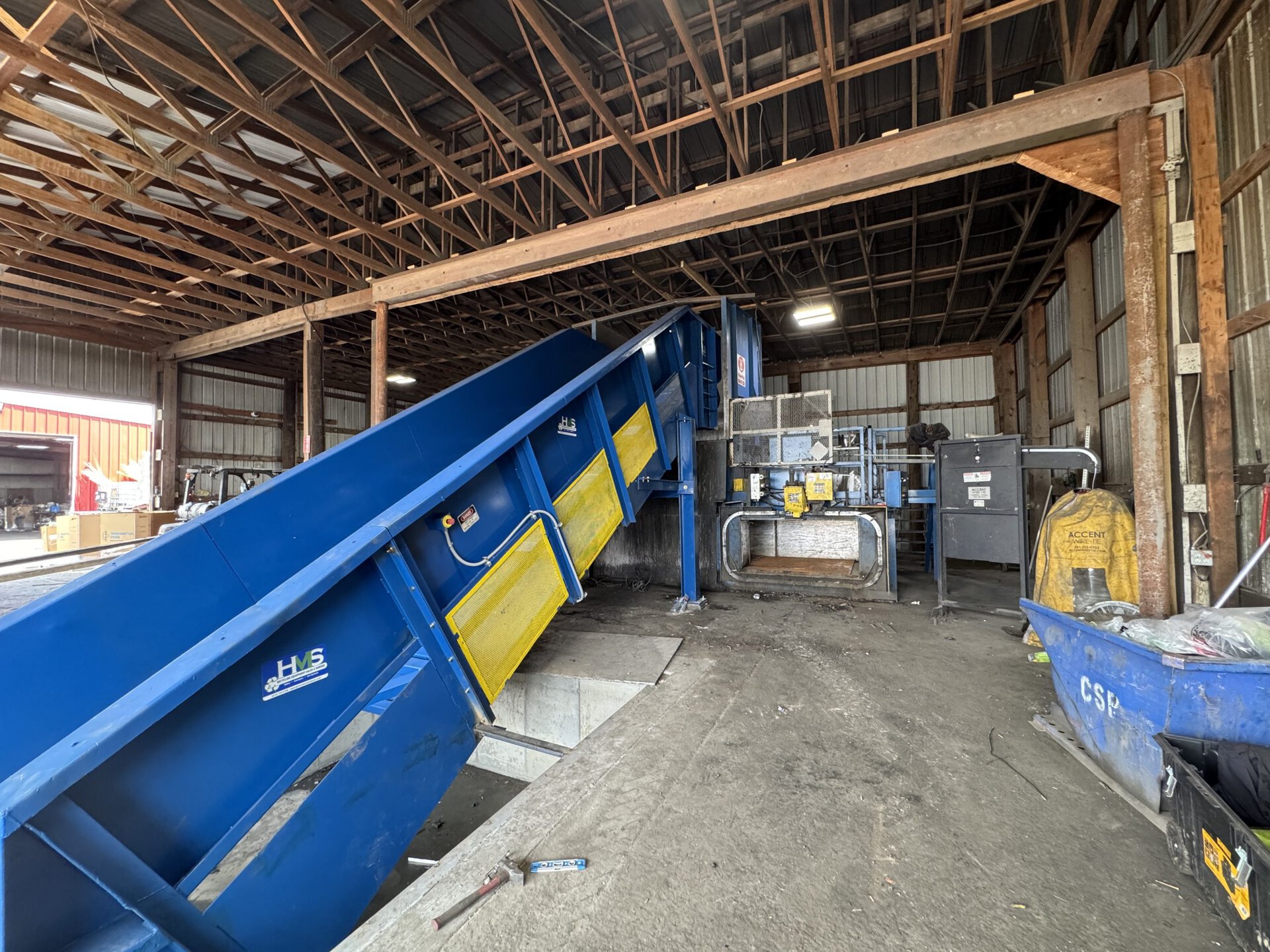
Non-ferrous scrap is dense, abrasive, and valuable - and it demands a baler built for it. Run aluminum siding or insulated copper wire through a machine designed for cardboard and you will wear it out fast while producing loose, underweight bales. A true scrap metal baler is engineered for non-ferrous work: heavier structure, higher platen force, and wear surfaces that stand up to metal. This guide covers the two machine paths scrap yards choose between - heavy-duty horizontal manual tie balers like the Excel HV9 and HV10, and two ram balers - and how to decide which fits your volume.
HMS sells new balers built for non-ferrous processing and also rebuilds two ram balers at our Wanatah, Indiana facility - rebuilding and refurbishing two rams is a large part of what we do. We work with scrap yards and manufacturers across Indiana, Tennessee, and North America.
What Scrap Yards Actually Bale
The non-ferrous materials that flow through a scrap metal baler are consistent across most yards:
- Aluminum cans (UBCs) - used beverage cans, one of the highest-volume non-ferrous streams. Light, loose material that needs real platen force to make a dense, stackable bale.
- Aluminum extrusions - window and door frame stock, structural profiles. Rigid material that resists compression in a light-duty machine.
- Painted aluminum siding - sheet aluminum from demolition and remodeling. Bulky and springy until it is compressed properly.
- Radiators - aluminum and copper-aluminum cores from automotive and HVAC sources. Dense, abrasive, and hard on wear surfaces.
- Insulated copper wire - among the heaviest bales a yard produces. Wire bales from a properly spec'd machine run substantially heavier than most other non-ferrous bales.
- Miscellaneous non-ferrous scrap - the mixed non-ferrous stream every yard accumulates.
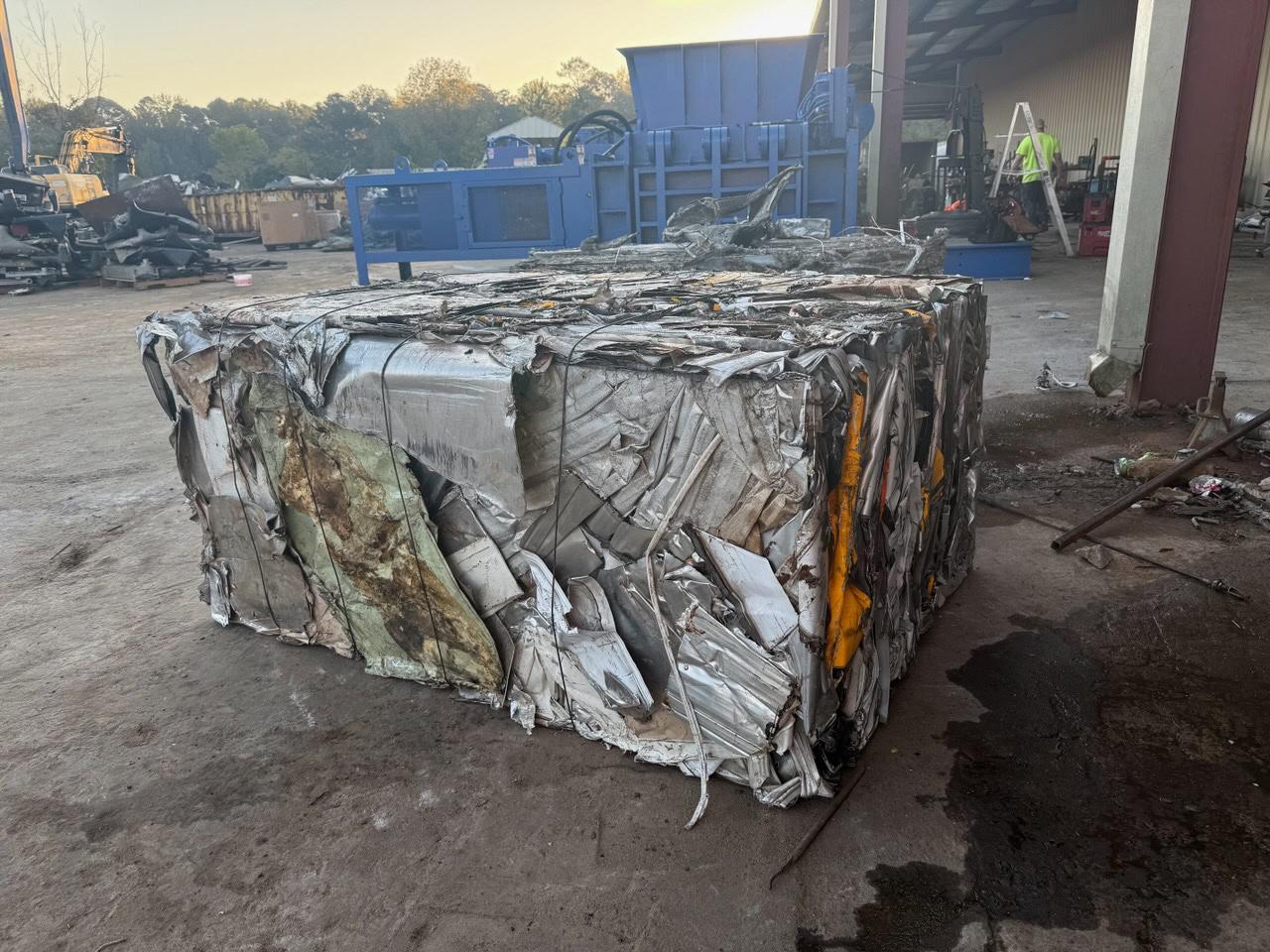
Why density matters so much with non-ferrous: this is high-value material sold by weight, and freight is a real cost. Dense, well-formed bales mean more pounds per truckload, easier stacking and storage, and better pricing from the consumers buying your material. The machine's force and chamber design are what produce that density.
Path One: Heavy-Duty Horizontal Manual Tie Balers
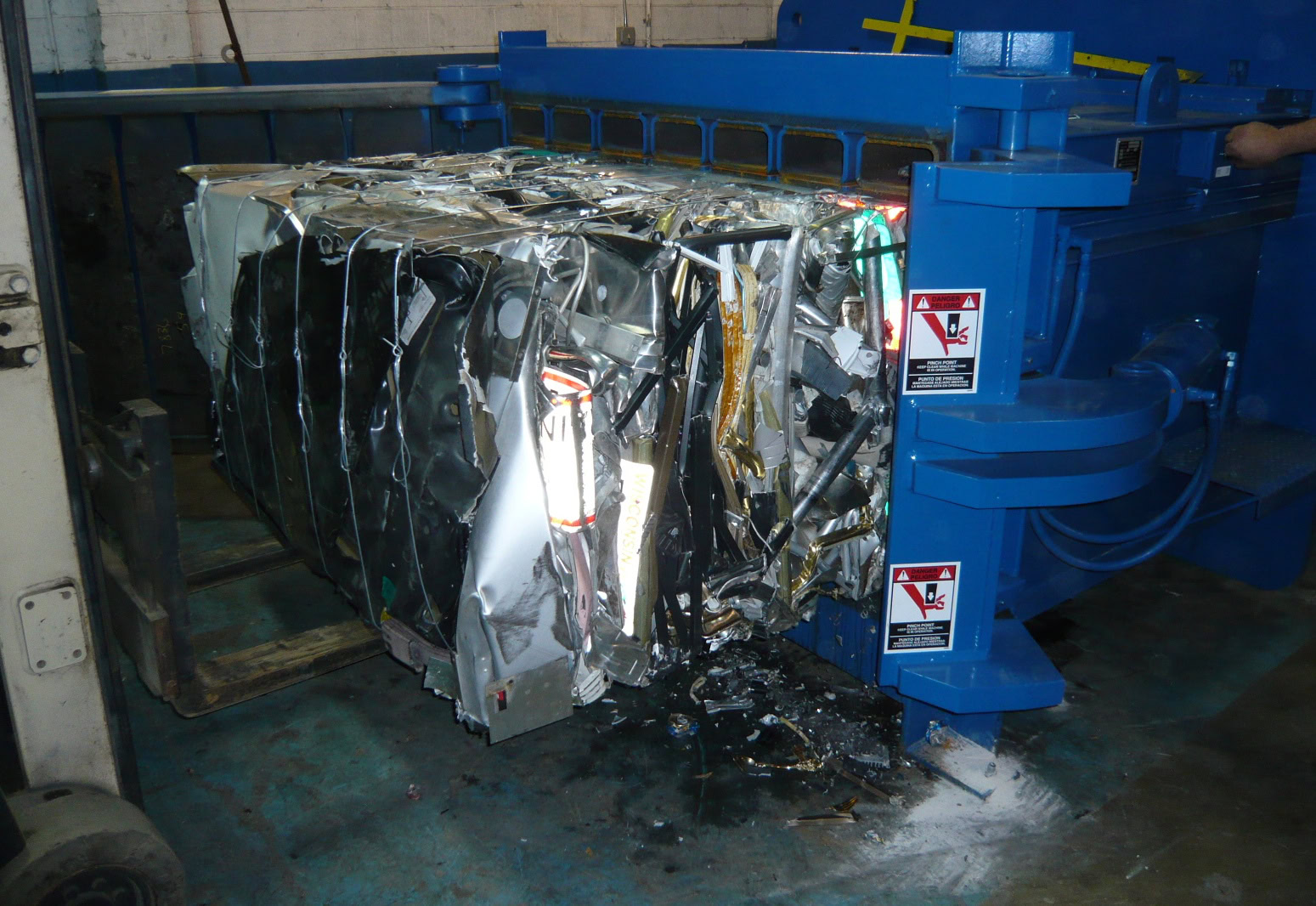
The first path is a horizontal manual tie baler purpose-built for non-ferrous - and this is a different machine class than the standard horizontal balers running cardboard at a warehouse. The Excel HV Series is the benchmark here: two ram interlocking construction in a single-ram body, with a one-inch chamber floor and three-quarter-inch side walls. The operator ties each finished bale by hand with wire; the machine does the compressing, and the heavy build is what lets it do that on metal, day after day.
The HV9 runs a 9-inch main cylinder delivering 190,851 lbs of platen force on a fast 15-second cycle. Typical non-ferrous bale weights: aluminum extrusion 1,000 lbs, painted aluminum siding 1,700 lbs, radiators 1,500 lbs, insulated copper wire 3,300 lbs, miscellaneous non-ferrous 1,300 lbs. Full bale-chamber penetration, Hardox 400 replaceable wear liners, and a tongue and groove floor give it the wear resistance non-ferrous demands. Right for yards processing moderate non-ferrous volumes where the operator can keep up with hand-tying.
The HV10 steps up to a 10-inch main cylinder and 235,619 lbs of platen force. Typical non-ferrous bale weights: aluminum extrusion 1,200 lbs, painted aluminum siding 2,000 lbs, radiators 1,700 lbs, insulated copper wire 3,500 lbs, miscellaneous non-ferrous 1,500 lbs. When non-ferrous bale density and weight are at the top of the manual tie range, the pusher bar is what keeps bale handling practical.
A budget entry point: the Excel EX77
For operations with lighter non-ferrous volume alongside fiber and containers, the Excel EX77 is worth knowing about. It is the highest-force machine in Excel's EX series at 187,153 lbs of platen force from twin 6.5-inch cylinders, and it is the one EX model rated for non-ferrous scrap - extrusions around 900 lbs per bale, painted siding and radiators around 1,300 lbs, and insulated copper wire around 3,300 lbs. It will not match the HV Series on heavy non-ferrous duty, but for a manufacturer or smaller yard where non-ferrous is one stream among several, it covers the material without stepping up to a dedicated metal machine.
Path Two: Two Ram Balers
The second path is a two ram baler - the machine high-volume yards run. A two ram compresses material with a main gatherer cylinder and ejects finished bales with a separate eject ram, and critically for scrap work, it ties every bale automatically with an integrated wire tier. No operator threading wire by hand.
That automatic tie, combined with faster cycling, is what separates the two paths in practice. A two ram processes and ties material much more quickly than a manual tie machine - on insulated copper wire, for example, a machine like the Excel 2R10D moves roughly 10 tons per hour, with radiators and siding running 4 to 5 tons per hour. When a yard bales serious non-ferrous tonnage every month, that speed is the difference between baling being a background task and baling being a bottleneck.
HMS sells Excel's fully automated two ram line new. A machine like the Excel 2R10D pairs a 10-inch main gatherer cylinder and dual 50 HP power units with 235,619 lbs of platen force, and a 16-second cycle time. Interlocking construction and bolt-in Hardox 400 wear liners are the same heavy-build approach as the HV Series, scaled up for continuous automated throughput across non-ferrous, fiber, and container grades.
A large part of HMS's business is rebuilding and refurbishing two ram balers - machines like the Badger, the Gorilla, 2R10D, HRBs, and the Centurion. When HMS refurbishes one, it goes through our Wanatah shop for a full rebuild - and ships backed by the HMS 120-Day Parts & Labor Warranty. For a yard that wants two ram capability without new-machine cost, a refurbished two ram baler is often the answer.
How to Decide: Manual Tie or Two Ram
Both machine types handle the full non-ferrous material list, and both switch between commodities easily - running cans in the morning and wire in the afternoon is not a problem on either. The decision comes down to volume, production rate, and cost structure.
| Factor | Horizontal manual tie (HV Series) | Two ram baler |
|---|---|---|
| Wire tie | Operator ties each bale by hand | Automatic wire tier - no hand tying |
| Production rate | Solid for moderate volumes | Much faster - processes and ties material quickly at high tonnage |
| Labor per bale | Higher - tying is hands-on time | Minimal - some yards run 2 to 3 days per week and redeploy labor |
| Upfront cost | Lower | Higher |
| Yearly maintenance | Lower | Higher - more systems to maintain |
| Commodity switching | Easy | Easy |
Choose a horizontal manual tie baler if
- Your non-ferrous volume is moderate and an operator can realistically keep up with loading and hand-tying bales
- You want the lowest upfront cost and the lowest yearly maintenance cost in a machine still genuinely built for metal
- Non-ferrous is a steady stream but not the dominant driver of your yard's daily labor plan
Choose a two ram baler if
- You bale a large amount of non-ferrous every month and production rate is the constraint - the two ram's speed and automatic tie clear material much faster
- You want to concentrate baling into part of the week: plenty of yards run their two ram 2 to 3 days per week, bale everything staged, and use that labor elsewhere on the yard the other days
- You are weighing a refurbished two ram against a new machine - refurbished units can deliver the same value at a fraction of the cost of new
The honest summary: manual tie balers win on upfront cost and maintenance cost, two rams win on speed and labor. Neither is the wrong machine - they are right for different volumes. Tell HMS your monthly non-ferrous tonnage and how you staff the yard, and the right path usually becomes obvious quickly.
Who Buys Non-Ferrous Balers
- Scrap yards - the primary buyer. Yards accumulate every material on the non-ferrous list, and baling is how loose material becomes dense, shippable, sellable weight.
- Manufacturers generating aluminum trimmings - extruders, window and door producers, siding manufacturers, and fabricators whose production lines generate a continuous non-ferrous stream. At sufficient volume, baling in-house beats hauling loose scrap.
- Other non-ferrous generators - any operation producing enough radiators, wire, or mixed non-ferrous to justify a machine. If the volume is there, the baler pays for itself in freight density and material value.
New Excel or rebuilt Harris - HMS covers both paths
HMS is an authorized Excel dealer for the HV Series and Excel two ram line, and our Wanatah shop rebuilds two ram balers as a core part of our business. Every HMS refurbished machine is backed by the HMS 120-Day Parts & Labor Warranty, and we install and service everything we sell with our own team.
Call (219) 733-2108 and tell us your monthly non-ferrous volume - we will recommend the right machine.
Frequently Asked Questions
It depends on your non-ferrous volume and production rate. Yards processing moderate non-ferrous volumes are often best served by a heavy-duty horizontal manual tie baler like the Excel HV9 or HV10 - purpose-built for non-ferrous with lower upfront and maintenance costs. High-volume yards typically run a two ram baler, which cycles faster and ties bales automatically. Some yards run a two ram just 2 to 3 days per week and redeploy that labor elsewhere on the yard the rest of the time.
The main non-ferrous materials scrap yards bale are aluminum cans (UBCs), aluminum extrusions, painted aluminum siding, radiators, insulated copper wire, and miscellaneous non-ferrous scrap. Yards do not bale brass. Machines built for non-ferrous work, like the Excel HV Series and properly spec'd two ram balers, produce dense bales across all of these materials.
A horizontal manual tie baler like the Excel HV9 or HV10 requires the operator to tie each bale by hand with wire, while a two ram baler ties bales automatically with an integrated wire tier. Two ram balers cycle faster and process far more material per hour, which matters at high monthly volumes. Horizontal manual tie balers cost less upfront and carry lower yearly maintenance costs. Both machine types switch between commodities easily.
Yes. A large part of HMS's business is rebuilding and refurbishing Harris two ram balers - including models like the Badger, Gorilla, and HRB Centurion - at our Wanatah, Indiana facility. HMS also sells new Excel two ram balers and the Excel HV Series. Every refurbished machine goes through our in-house rebuild process and is backed by the HMS 120-Day Parts & Labor Warranty.
Bottom Line
Match the machine to your monthly tonnage
Non-ferrous baling comes down to two proven paths. A heavy-duty horizontal manual tie baler like the Excel HV9 or HV10 delivers metal-grade construction and dense bales at a lower upfront and maintenance cost - the right call at moderate volumes. A two ram baler - new or rebuilt in the HMS shop - processes and auto-ties material far faster, which is what high-volume yards need, and what lets some yards bale everything in 2 to 3 days a week and put their labor elsewhere.
HMS sells, installs, and services both paths, and rebuilding two rams is a core part of our business. Tell us what you bale and how much of it, and we will recommend the machine that fits.
Tell us your monthly non-ferrous volume - we will recommend the right scrap metal baler and give you a straight quote.