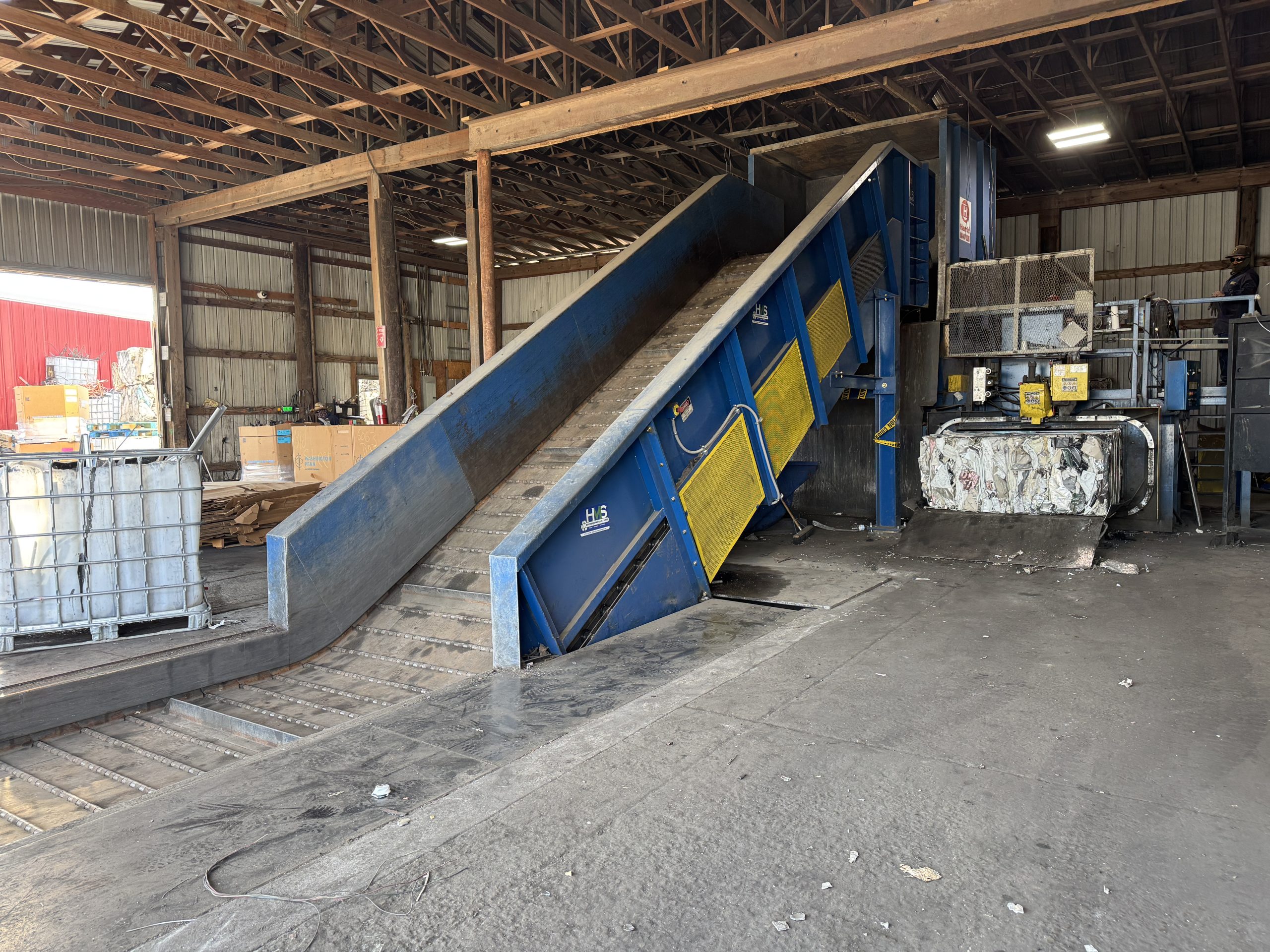
One of our repeat customers, a scrap metal recycler, used to spend an entire day processing three trailers of aluminum cans. After we added a refurbished 72-inch infeed conveyor to their Harris HRB-8 two ram baler, the same three trailers took about an hour. Same material, same baler. The difference was how the material reached the machine.
That story is about throughput, but aluminum has a second lever that matters just as much, and it is the one this guide is really about: grade. Aluminum is not bought by the pound. It is bought by the pound of a specific grade, and the spread between a clean single-grade load and a mixed or contaminated one is large enough to decide whether a load is profitable.
The rule that runs through everything below: a bale is generally valued at the lowest grade in it. Clean extrusion with a few pieces of painted siding mixed in is no longer clean extrusion. The baling operation's job is to keep every grade as clean and as dense as it came in.
This guide covers what to look for in an aluminum baler, and the five aluminum streams HMS customers bale most: used beverage cans, extrusion, painted siding, aluminum copper radiators, and mixed aluminum. For each one, it covers what hurts its value and how to bale it. Always confirm exactly what your buyer accepts, since specifications vary from buyer to buyer.
Used Beverage Cans (UBC)
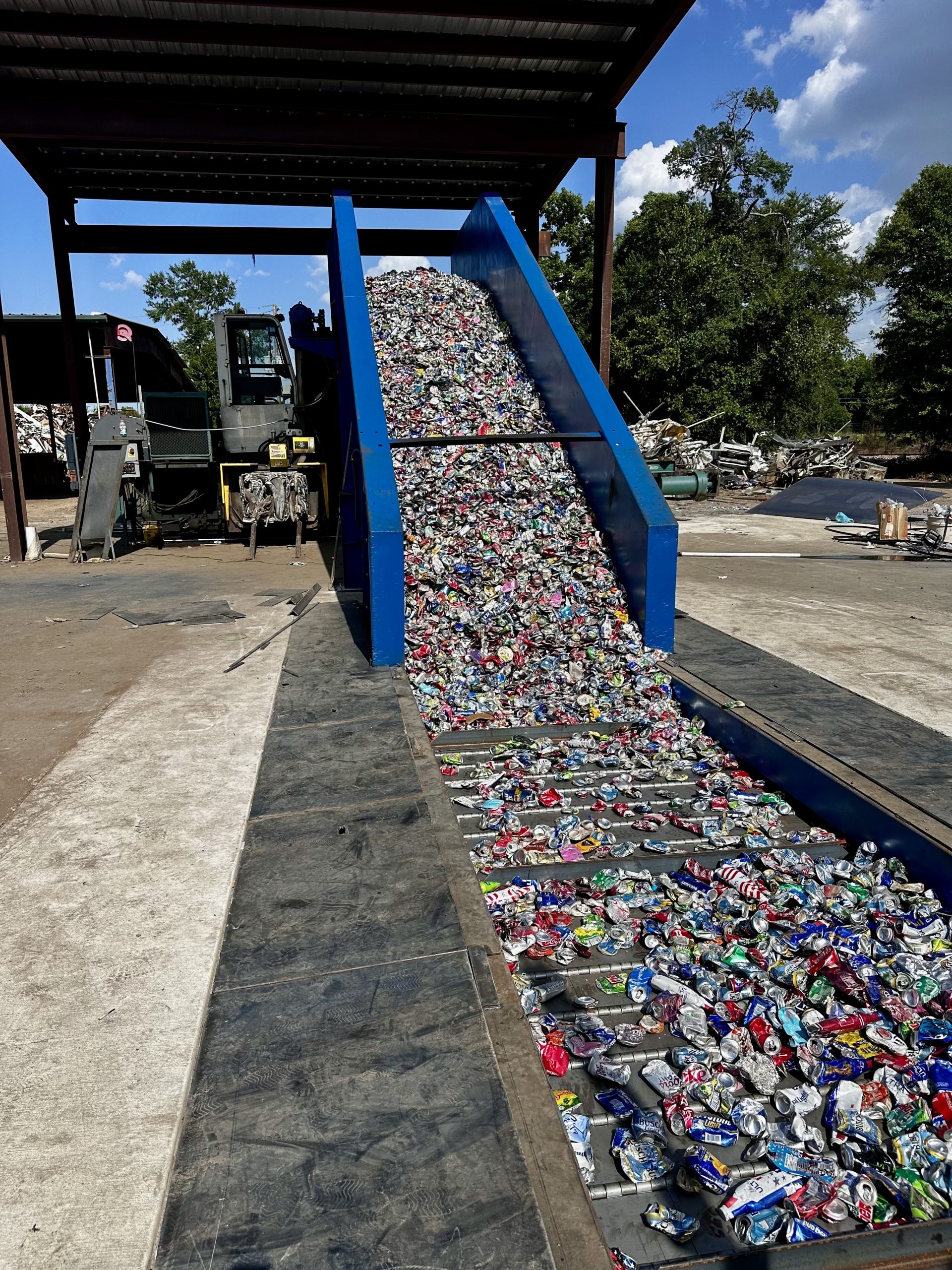
A high-volume aluminum stream and the most tightly specified. Can buyers generally call for magnetically separated material, free of steel, lead, bottle caps, plastic bags, glass, wood, dirt, trash, and other foreign substances. Foreign substances are grounds for rejection, and aluminum items other than beverage cans are not acceptable.
How to bale it well:
- Run a magnet ahead of the baler. Steel cans are the most common contaminant, and magnetic separation is part of the spec, not an extra.
- Watch liquids. Cans carrying residual liquid add weight the buyer does not want to pay for. Moisture and other variations need to be agreed on with the buyer before shipment.
- Bale for density. UBC is light and bulky loose. Dense, consistent bales are what fill a truck to legal weight instead of cubing out first.
- Feed it steadily. Cans flow well on an infeed conveyor, which is exactly why the customer above went from a day to an hour.
Aluminum Extrusion
Window frames, door frames, storefront, railing, and industrial profiles. Extrusion is one of the more valuable aluminum streams when it is clean, and it is priced in tiers precisely because condition varies so much. Clean new production extrusion sits at the top. As paint, other alloys, and attachments increase, the price steps down.
What hurts its value is almost always something attached to it: thermal breaks, screws and steel fasteners, plastic, rubber gaskets, and glass. Paint matters too, which is why painted and unpainted extrusion should be kept apart when volume allows.
How to bale it well:
- Strip before you bale. Once a thermal break or a steel screw is inside a dense bale, nobody can get it out, and the bale gets graded accordingly.
- Separate clean from painted. Two piles, two bale runs, two prices.
- Size the feed opening for length. Extrusion arrives long. A machine with the feed opening and shear to handle long profiles saves someone from cutting them down by hand.
Painted Aluminum Siding
Painted siding comes mostly from construction and demolition, which is exactly why it arrives dirty. The contaminants to watch are foam backing and insulation, fiberglass, nails and other steel, and plastic.
How to bale it well:
- Pull the non-aluminum first. Foam, insulation, and fasteners come out before the material goes anywhere near the baler.
- Keep it out of the extrusion pile. Siding and extrusion are different grades at different prices. Mixing them drags the extrusion down.
- Expect bulk. Siding is light and springy. It needs real compression force to make a bale dense enough to ship efficiently.
Aluminum Copper Radiators (ACRs)
ACRs carry copper value on top of aluminum, which makes contamination more expensive here than anywhere else in this guide. Buyers want clean aluminum and copper radiators, or aluminum fins on copper tubing, free of brass tubing, iron, and other foreign contamination. Steel brackets, brass fittings, and plastic end pieces are the usual problems.
How to bale them well:
- Clean them before they go in. Once a steel bracket or brass fitting is compressed into a bale, it stays there. Removing iron and brass first is what keeps ACRs at the clean price instead of an irony discount.
- Keep them in their own stream. ACRs are worth more than any other aluminum grade in this guide. Letting them drift into a mixed aluminum bale gives that copper value away.
Mixed Aluminum
Every yard has a mixed aluminum pile: old sheet, household aluminum, clippings, and pieces that do not fit a cleaner grade. Common versions include clean mixed old sheet and mixed new clippings and solids. Mixed aluminum trades below the segregated grades, and that is fine, as long as it stays its own stream.
The real value of a disciplined mixed pile is what it protects. Anything that does not clearly belong in UBC, extrusion, siding, or radiators goes here instead of contaminating one of the premium grades. A good mixed aluminum stream is how a yard keeps its best grades clean.
The Grades at a Glance
| Stream | Main value killers | Baling note |
|---|---|---|
| Used beverage cans | Steel cans, lead, plastic, non-UBC aluminum, liquids | Magnet ahead of the baler; bale dense |
| Extrusion | Thermal breaks, screws, plastic, gaskets, paint | Strip first; separate clean from painted |
| Painted siding | Foam, fiberglass, nails, plastic | Pull non-aluminum before baling |
| ACRs | Iron, brass, plastic | Clean first; keep in their own stream |
| Mixed aluminum | Material that belongs in a cleaner grade | Keep as its own stream |
Which Aluminum Baler Fits Your Operation
Grade discipline starts before the aluminum baler, with separate bins or bunkers for each stream and a magnet on the can line. The baler's job is to keep that separation intact through compression. Two machine types do that well, and both can run multiple grades in a day. What separates them is how much material you need to move.
Two ram balers
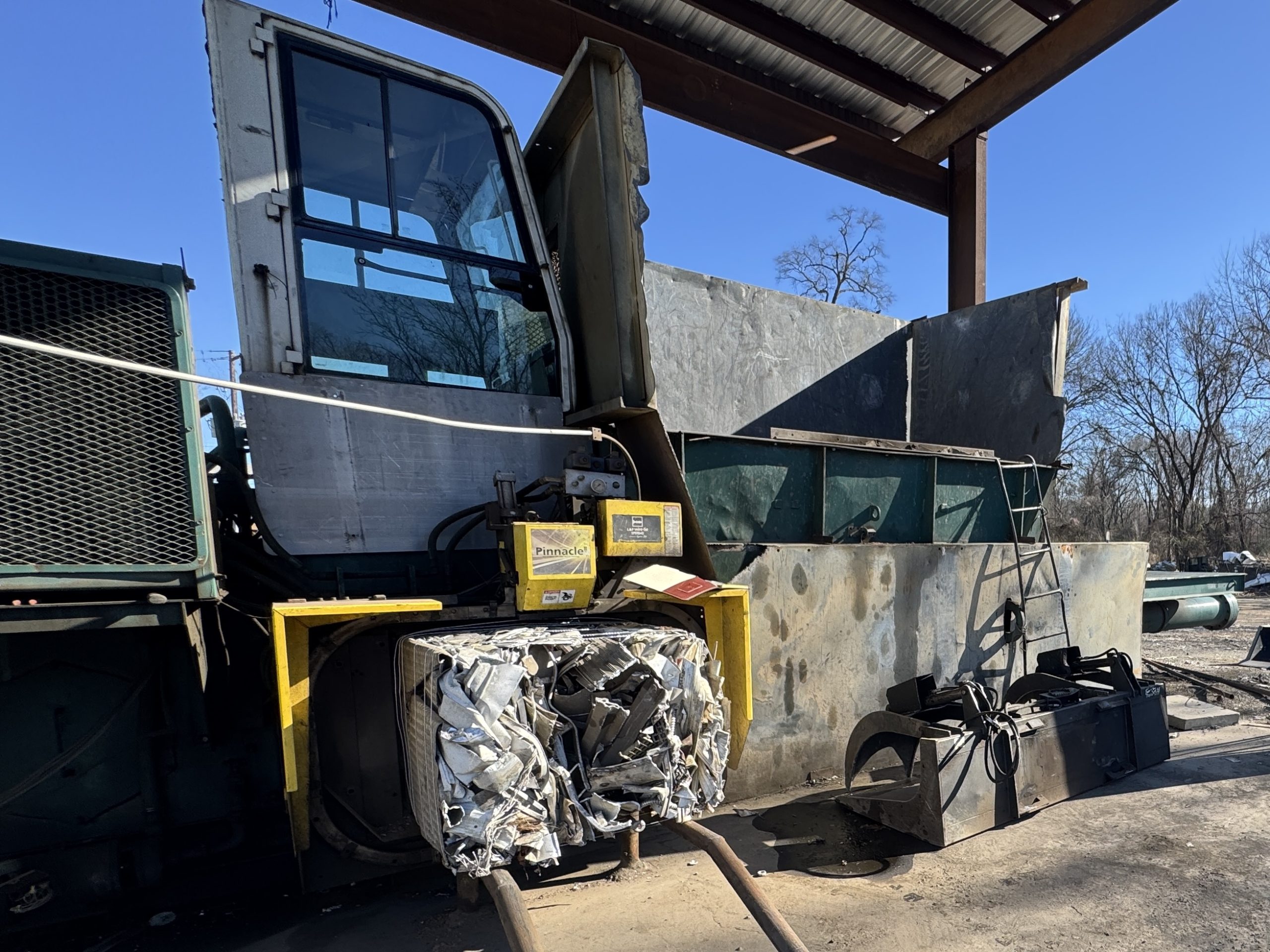
The choice for higher-volume operations. A two ram baler processes more material with higher throughput, requires less labor, and produces denser bales. Denser bales mean more weight on every truck, and higher throughput means the baler keeps pace with everything coming across the scale. Two rams also bring the compression force that tough, springy, and long material demands.
Heavy-duty horizontal manual tie balers
A strong, lower-cost option for operations running less volume. Excel's HV series is a heavy-duty horizontal manual tie baler built specifically for nonferrous material, and it handles multiple aluminum grades in a day. The tradeoff against a two ram is throughput and labor: an operator ties off each bale, and the machine moves less material per hour.
For a side-by-side look at both machine types across all nonferrous metals, not just aluminum, see our scrap metal baler guide.
What surrounds the baler
Feed method is where throughput lives, as the opening story shows. A conveyor keeps the charge chamber full so the baler cycles at its designed rate instead of waiting on a forklift.
Aluminum is also hard on a machine over time. Abrasive, dense material wears liners and shear edges faster than fiber does, so a reline schedule matters more on a nonferrous baler than almost anywhere else.
Frequently Asked Questions
What is the best aluminum baler?
Two machine types handle aluminum well, and both can run multiple grades in a day. A two ram baler processes more material with higher throughput, less labor, and denser bales, which makes it the fit for higher-volume operations. A heavy-duty horizontal manual tie baler built for nonferrous material, such as the Excel HV series, is a strong, lower-cost option for operations running less volume.
Can one baler run multiple aluminum grades?
Yes. Both two ram balers and heavy-duty horizontal manual tie balers such as the Excel HV series can run multiple aluminum grades in a day. The key is running one grade at a time and finishing each bale before switching, so cans, extrusion, and siding each ship as their own clean grade.
Why does mixing aluminum grades lower the price?
Aluminum is bought by grade, and a bale is generally valued at the lowest grade it contains. A bale of clean extrusion with painted siding or cans mixed in is no longer clean extrusion, and a single contaminated bale can put a whole load at risk of downgrade or rejection. Keeping grades separate from collection through baling is what protects the premium grades.
Should aluminum copper radiators be baled?
Yes, most operations bale ACRs. Because they carry copper value on top of aluminum, contamination costs more here than on any other aluminum stream. Buyers want clean aluminum and copper radiators, or aluminum fins on copper tubing, free of brass, iron, and plastic, so strip those before the radiators go into the baler.
What contaminates aluminum extrusion scrap?
Paint, other alloys, and attachments are the main value killers: thermal breaks, screws, steel, plastic, and rubber gaskets. Extrusion is priced in tiers, with clean new production extrusion at the top and value stepping down as paint and attachments increase. Keeping clean extrusion separate from painted and attached material protects the higher price.
Bottom Line: Separate First, Then Bale Dense
Aluminum rewards discipline more than almost any other baled material. Keep each grade in its own stream, pull the contaminants before they get compressed into a bale, bale each grade dense, and feed the machine steadily. Do that and every load ships at the grade it deserves.
HMS sells, installs, and services two ram and heavy-duty horizontal aluminum balers for nonferrous operations, along with the conveyors that feed them, new and refurbished. Tell us which grades you run and how much, and we will help you build a line that keeps them clean.
Baling Aluminum? Let's Talk Grades and Volume.
Tell us which aluminum streams you handle and your monthly volume. HMS will recommend the baler and feed system that keep your grades clean.